Colonial Terminals Launches Foundation 3, Boosting Savannah Port Region’s Breakbulk and Project Cargo Capabilities

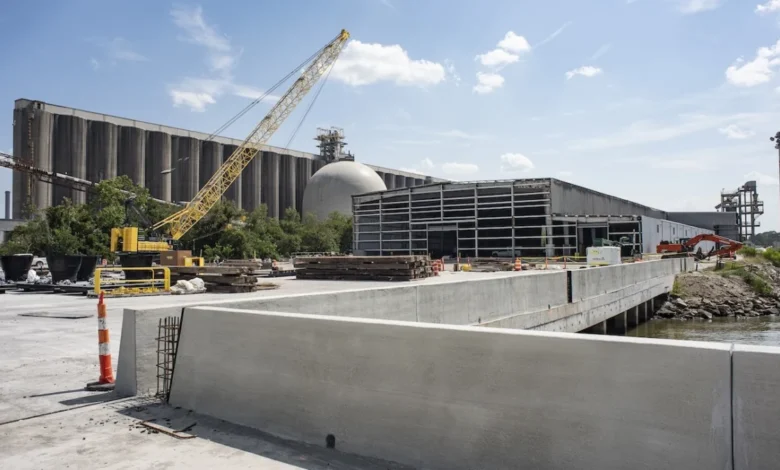
Colonial Terminals has officially opened Foundation 3, a sprawling 25-acre multimodal breakbulk facility situated strategically along the Savannah River. This major infrastructure addition is engineered to substantially expand cargo capacity, enhance operational efficiency, and improve connectivity for bulk, breakbulk, and project cargo moving through the vital Port of Savannah region. Historically celebrated as a premier world-class container gateway, the wider Savannah hub is now bolstering its infrastructure to ensure it remains equally competitive in handling diverse non-containerized industrial commodities.
The launch of Foundation 3 arrives at a critical juncture for U.S. supply chains, where regional ports are increasingly forced to diversify their service offerings to meet fluctuating global trade demands. By integrating direct maritime access with robust rail and highway networks, Colonial Terminals aims to eliminate bottlenecks, reduce transit times, and offer shippers an adaptable, high-capacity solution for complex cargo movements.
State-of-the-Art Infrastructure and Multimodal Connectivity
Designed from the ground up for round-the-clock operations, Foundation 3 provides comprehensive logistics capabilities across ship, rail, truck, and warehouse domains. At the heart of the facility is an 810-foot heavy-capacity dock that grants direct vessel access to the Savannah River, allowing large breakbulk carriers to berth safely and offload heavy or oversized industrial freight efficiently.
On the landside, the terminal features an extensive onsite rail yard equipped with more than 14,000 feet of track. This infrastructure is complemented by terminal-operated switching services and direct rail-served warehouse access. The facility’s seamless integration with Class I rail provider Norfolk Southern ensures that goods arriving at the port can be swiftly dispatched to major inland markets across the United States. Additionally, the terminal’s close proximity to Interstates 16 and 95 provides immediate, unfettered highway access for commercial trucking fleets, ensuring smooth intermodal transfers.
Storage capabilities at the facility have been meticulously planned to handle a vast array of industrial materials. Foundation 3 incorporates two massive warehouses totaling 130,000 square feet of indoor storage space, which includes a newly renovated dockside facility designed to expedite the transfer of goods straight from ship to shelter. Furthermore, the property boasts a 75,000-square-foot concrete outdoor storage area capable of bearing the heavy loads associated with industrial project cargo. Crucially, Colonial Terminals has also secured adjacent acreage specifically reserved for future expansion, providing the facility with long-term scalability as regional trade volumes grow.
Versatile Cargo Handling and Labor Flexibility
The newly minted facility is engineered to process a diverse portfolio of commodities. Foundation 3 possesses the specialized equipment and structural capacity to handle steel products, forest products, heavy project cargo, palletized goods, super sacks, and various other forms of general industrial cargo.
Recognizing the complex labor requirements of modern maritime logistics, Colonial Terminals has structured the facility to offer both union and non-union stevedoring services. This operational flexibility allows terminal management to match specific customer needs, ensure labor reliability, and minimize disruptions during peak shipping seasons. Whether an importer requires specialized handling for delicate forest products or robust mechanical support for massive industrial machinery, the terminal’s operational framework is built to accommodate diverse client specifications seamlessly.
Strategic Vision and Executive Perspectives
The inauguration of Foundation 3 represents a calculated strategic move by Colonial Terminals to capture a larger share of the booming non-containerized cargo market in the Southeast. While ports throughout the region have seen unprecedented growth in containerized TEU (twenty-foot equivalent unit) volumes, the breakbulk and project cargo sectors require distinct, heavy-duty infrastructure that standard container terminals cannot always provide.
Troy Gouger, vice president of operations at Colonial Terminals, emphasized the long-term vision behind the multi-million-dollar project. "Foundation 3 reflects our continued commitment to investing in the infrastructure, capabilities and services our customers need to grow," Gouger stated. He further noted that the 25-acre development significantly expands the company’s ability to deliver reliable, multimodal solutions while strengthening Savannah’s overall position as an indispensable gateway for breakbulk and industrial cargo.
Industry analysts have noted that regional ports capable of offering diversified handling options are better insulated against sector-specific downturns. By bridging the gap between maritime, rail, and highway transit, Colonial Terminals is positioning Foundation 3 as a linchpin for industrial supply chains operating in the U.S. Southeast.
Chronology of Development and Regional Growth
The planning and execution of Foundation 3 span several years of strategic preparation by Colonial Terminals, aligning with the broader economic expansion of the Savannah port market.
Phase one of the vision involved identifying suitable riverfront real estate capable of supporting heavy industrial traffic without interfering with existing municipal or commercial zones. Once the 25-acre parcel along the Savannah River was secured, engineering teams focused on optimizing the site layout for maximum throughput. The construction timeline prioritized the dredging and reinforcement of the 810-foot dock to ensure it could accommodate modern heavy-lift breakbulk vessels. Concurrently, the extensive internal rail network of over 14,000 feet of track and the dual warehouse footprints were developed to streamline cargo staging.
The final phases involved the renovation of the dockside warehouse, the paving of the 75,000-square-foot concrete outdoor storage yard, and the integration of terminal-operated switching capabilities. With the facility now fully operational, Colonial Terminals has transitioned from the construction phase into active commercial marketing, already engaging with industrial shippers, manufacturers, and logistics brokers.
Broader Economic Impact and Market Implications
The opening of Foundation 3 is expected to yield significant economic benefits for the local Savannah economy and the wider Southeast logistics corridor. By enhancing the speed and efficiency of bulk and project cargo handling, the facility reduces dwell times for ships and freight alike, lowering overall transportation costs for shippers navigating inflationary pressures and tight supply chain margins.
Furthermore, the integration of dual Class I rail access via Norfolk Southern and direct interstate connectivity helps mitigate the highway congestion frequently associated with high-volume ports. Shippers moving heavy industrial goods—such as structural steel for construction projects or heavy machinery for manufacturing plants—now have a dedicated regional hub that minimizes the risks of intermodal friction.
As global supply chains continue to evolve in the wake of post-pandemic shifts, infrastructure investments like Foundation 3 underscore the importance of adaptability. By ensuring that the Port of Savannah region remains exceptionally competitive across both containerized and breakbulk markets, Colonial Terminals has established a resilient blueprint for future regional port development.